How Much Water to Store Per Person, and Where to Put It
One gallon per person per day, for at least three days and ideally two weeks: the math for a family of four, the containers, and where 470 pounds of water can sit.
For when the grid, the trucks or the paycheck stop
Plain, sourced guides to food storage, water, off-grid power and the old skills, for households that mean to stay fed and warm through a long outage.
Five pillars
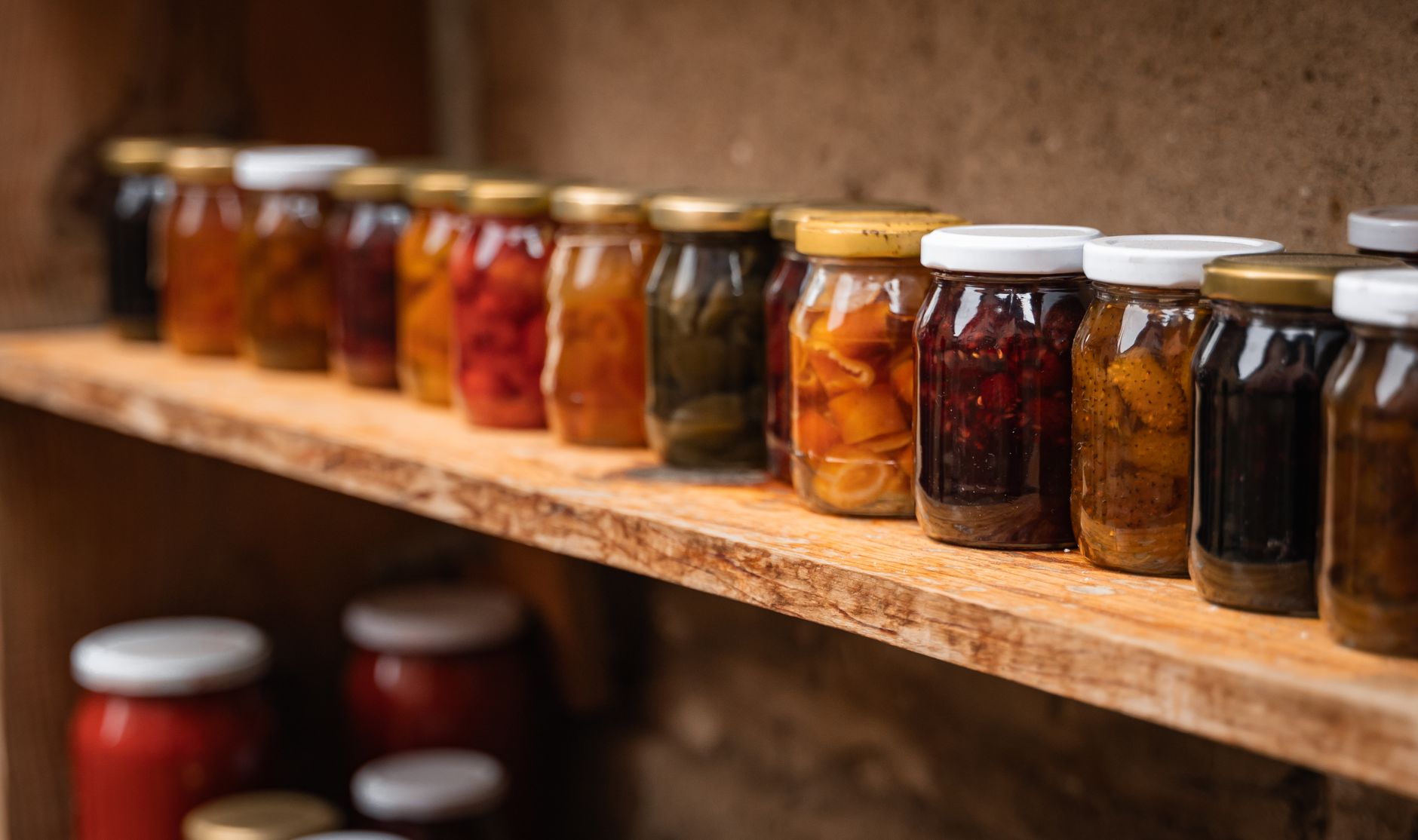
How to pack, store and rotate food so a household can eat for months without a grocery run.
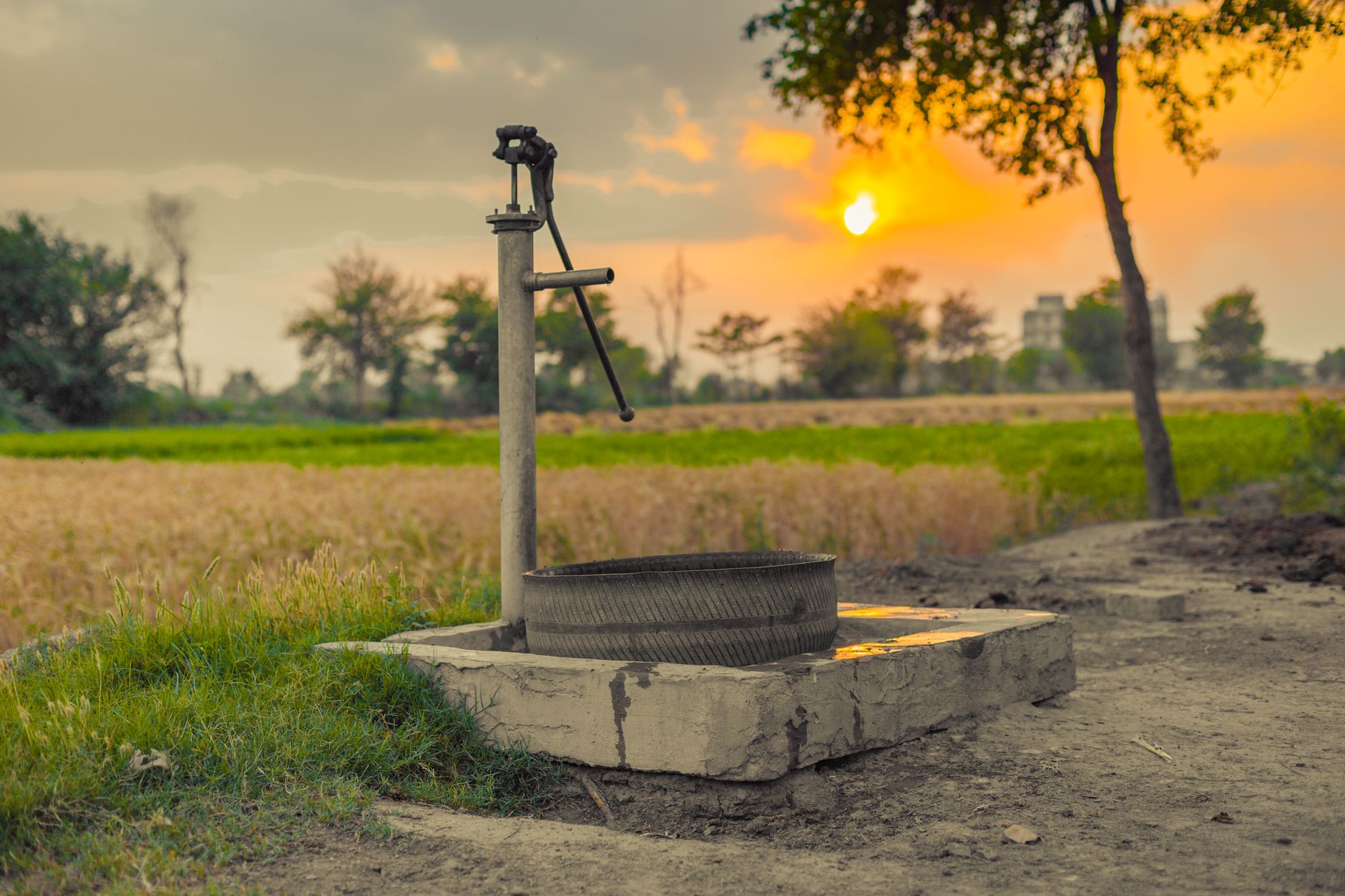
The gallons a household needs, the containers that keep them clean, and the ways to make doubtful water safe to drink.
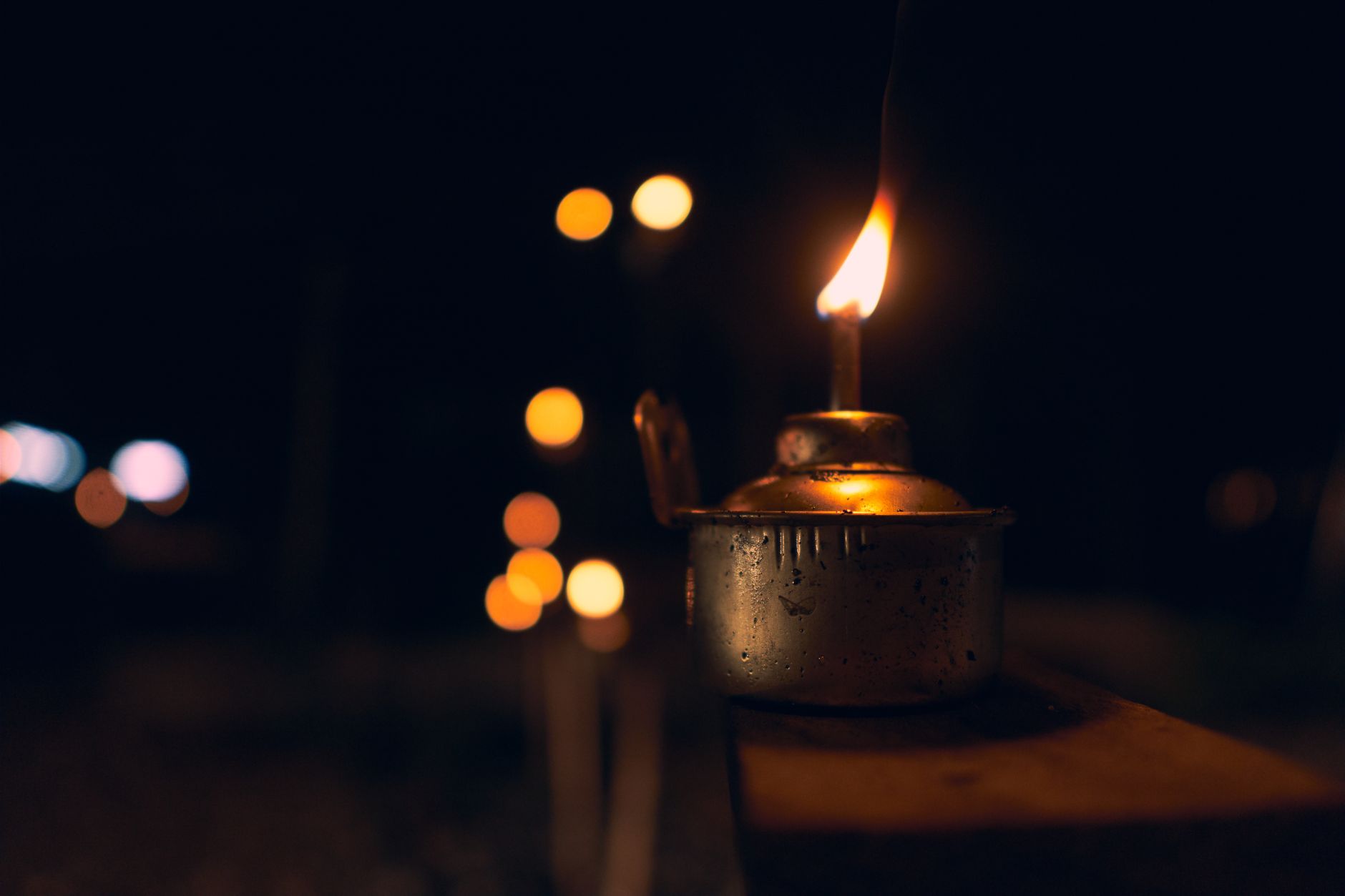
Solar, batteries, generators and fuel, sized for what a household actually has to run.
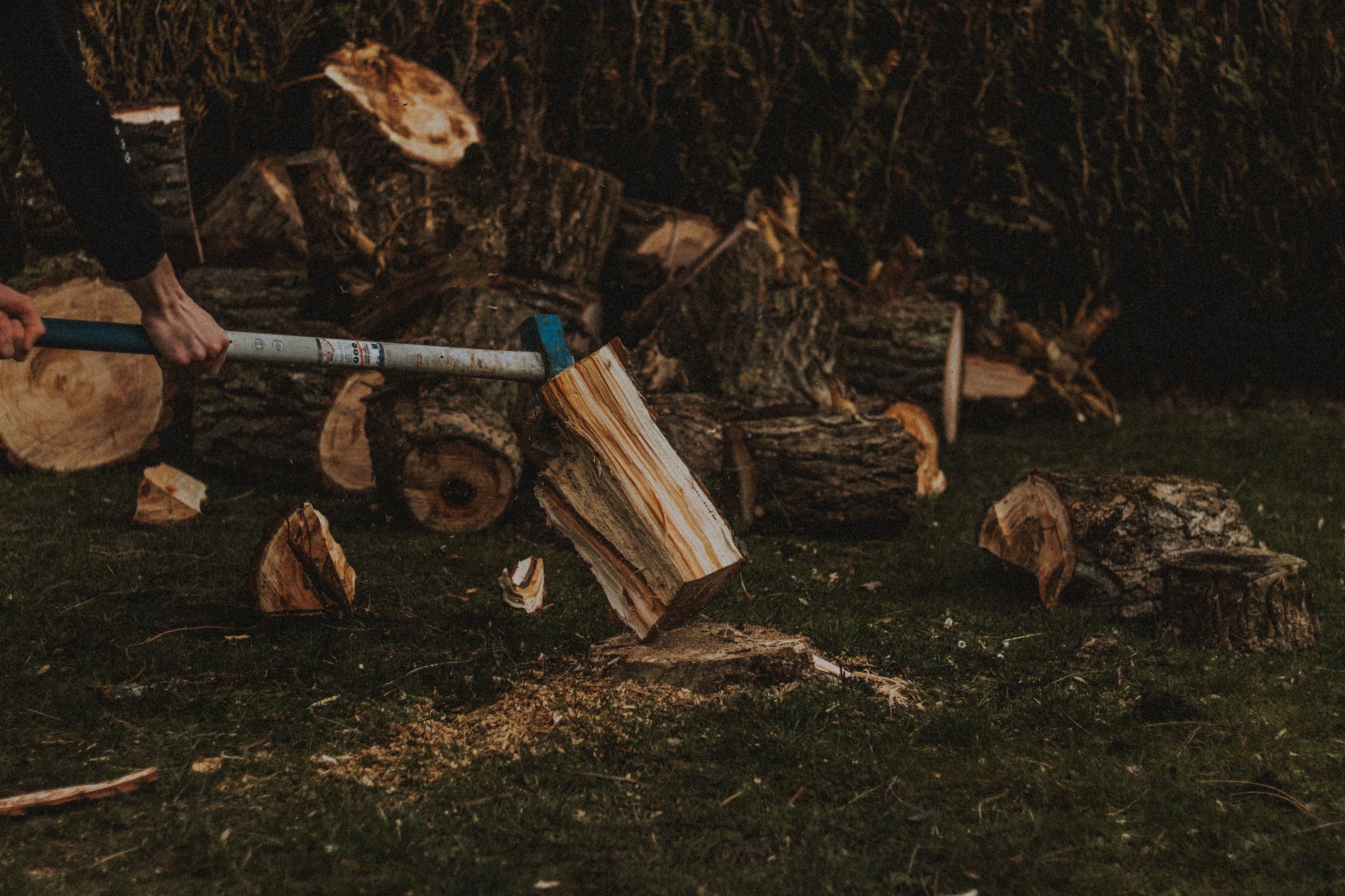
Growing, raising and putting up your own food, from the first garden bed to the root cellar.
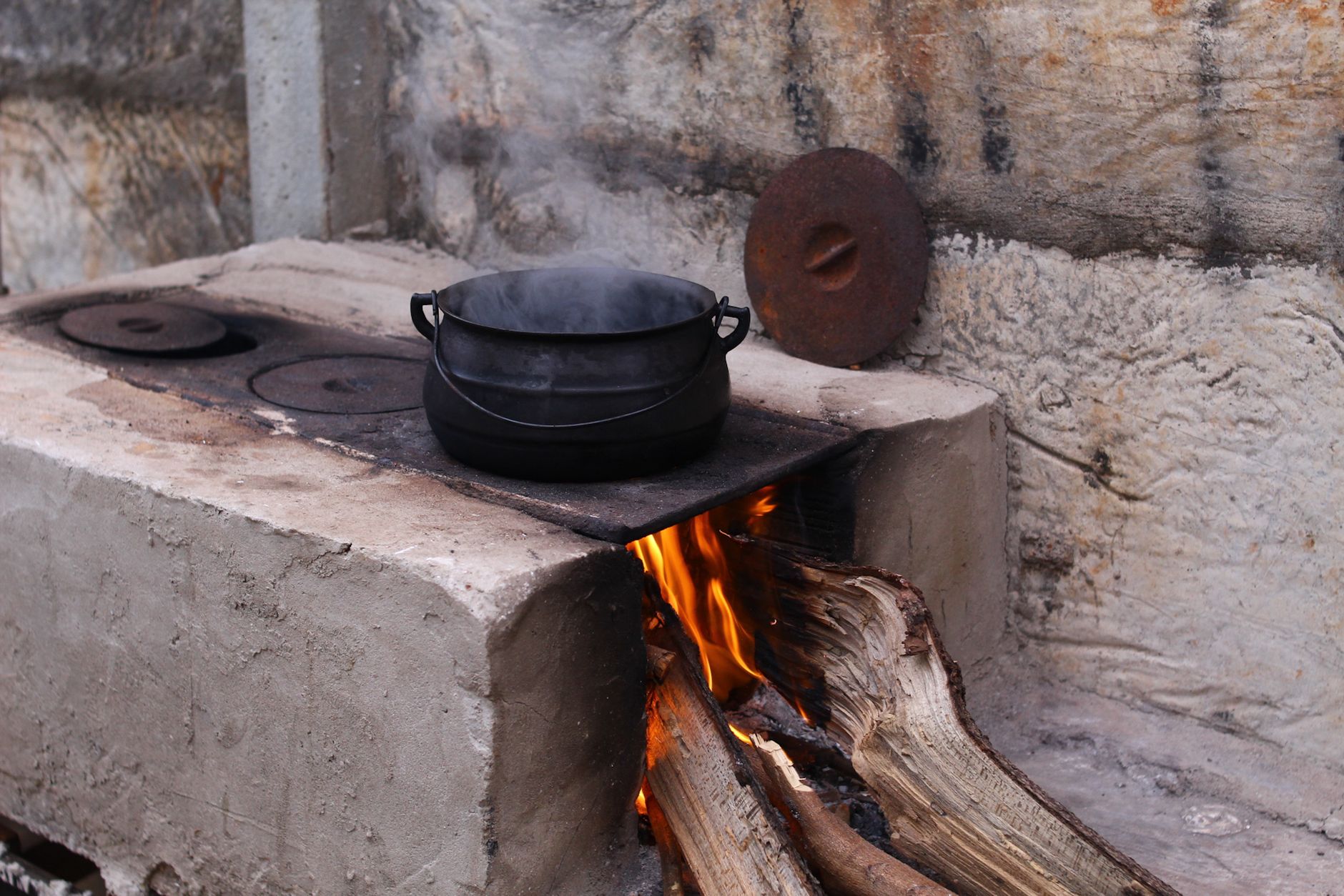
The household know-how our grandparents used daily, written down before it is lost.
When the power is out for a week, the trucks stop or the paycheck does, the same questions come up in the same order: what will we eat, what will we drink, how do we keep the lights and the freezer on, and what can we grow and make ourselves. Each pillar answers one of them.
One gallon per person per day, for at least three days and ideally two weeks: the math for a family of four, the containers, and where 470 pounds of water can sit.
What an emergency water filter stops, what slips past it (viruses, salt, fuel, metals), and how to pair a gravity filter with boiling or bleach so the water is safe.
A family of four needs about 750,000 calories for three months: 300 to 480 pounds of grain plus beans, oil and milk, or 13 weeks of the meals you already cook.
Seal white rice, wheat and dry beans in Mylar and buckets with oxygen absorbers, keep them cool and dry, and they stay edible for decades. Here is how, step by step.
How to burn a kerosene or oil lamp indoors in an outage: the right fuel, fresh air, clearance, refilling cold, and when a flashlight is the safer light.
Open-kettle, oven, dishwasher and paraffin canning are no longer considered safe. What each one gets wrong, why the jars still seal, and the tested method to use instead.
Water first, because a household runs out of it in days. Ready.gov's floor is one gallon per person per day, and our water guides cover how to store it and how to make doubtful water safe. Food second: two weeks of what you already eat, then a deeper layer of sealed dry staples, which our food storage section walks through step by step.
Power and heat come next, sized to the short list of things you truly need to run, which is where off-grid power begins. The homestead and old ways sections are the long game: growing, preserving and making, so a pantry that runs down can be filled again.
Larder & Well is a magazine about off-grid self-reliance for American households: long-term food storage, water storage and treatment, backup power, homesteading and the old household skills. It is written for people who would rather be ready than afraid, and who want the reason behind every step.
Every guide is written from sources you can open yourself: USDA and Ready.gov guidance, university extension bulletins, the National Center for Home Food Preservation, manufacturer manuals. Where the sources disagree, we say so. Where a method is dangerous, such as moist food sealed without oxygen or a generator run in a garage, we say that first.
We do not claim to have tested what we describe, and we fix what we get wrong. Nobody pays for a place in our articles.