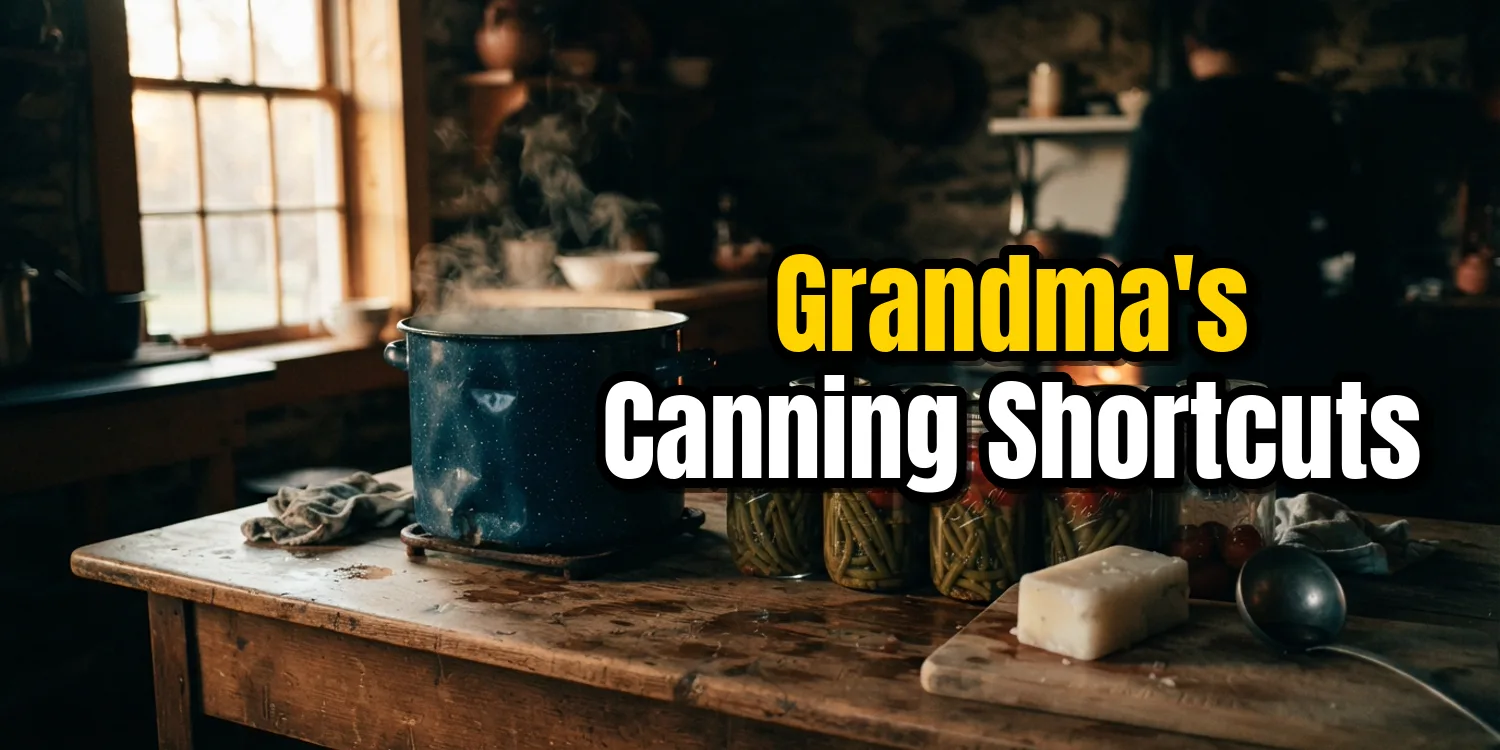
Old Canning Methods That Are No Longer Safe, and Why
Open-kettle, oven, dishwasher and paraffin canning are no longer considered safe. What each one gets wrong, why the jars still seal, and the tested method to use instead.
The household know-how our grandparents used daily, written down before it is lost.
Open-kettle, oven, dishwasher and paraffin canning are no longer considered safe. What each one gets wrong, why the jars still seal, and the tested method to use instead.
Before electric refrigerators, gas furnaces and the weekly supermarket run, American households kept themselves going with a set of skills that were ordinary then and are rare now. Many of them still work, cost little, and need nothing that a supply-chain failure can take away.
This section collects them. Cooking on a wood stove and over an open fire, with cast iron and a Dutch oven. Keeping food without a refrigerator: salting, smoking, lard and brine crocks, the cold pantry and the springhouse. Making soap, candles and lye, rendering fat, sharpening and caring for hand tools, mending clothes and shoes.
Some old ways are better left in the past, and we say so when the modern guidance has good reason to differ. Old canning methods like open-kettle canning and oven canning are unsafe by today's tested standards, for example, and the article on each one explains why instead of romanticising it.
The aim is practical. Each piece explains a skill well enough to try it, what it takes, and where it fits in a household that already has modern tools but wants to keep working when they stop.
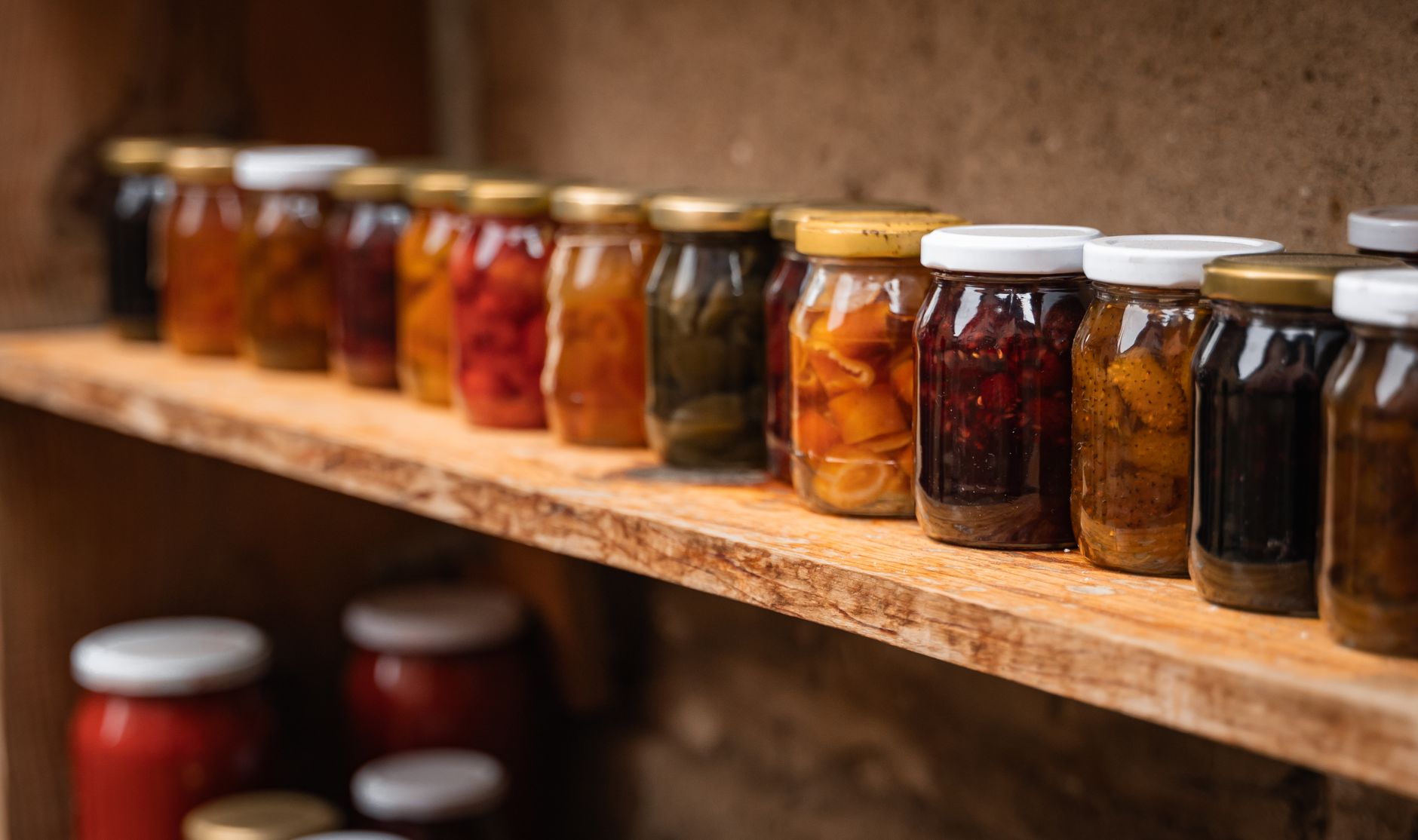
How to pack, store and rotate food so a household can eat for months without a grocery run.
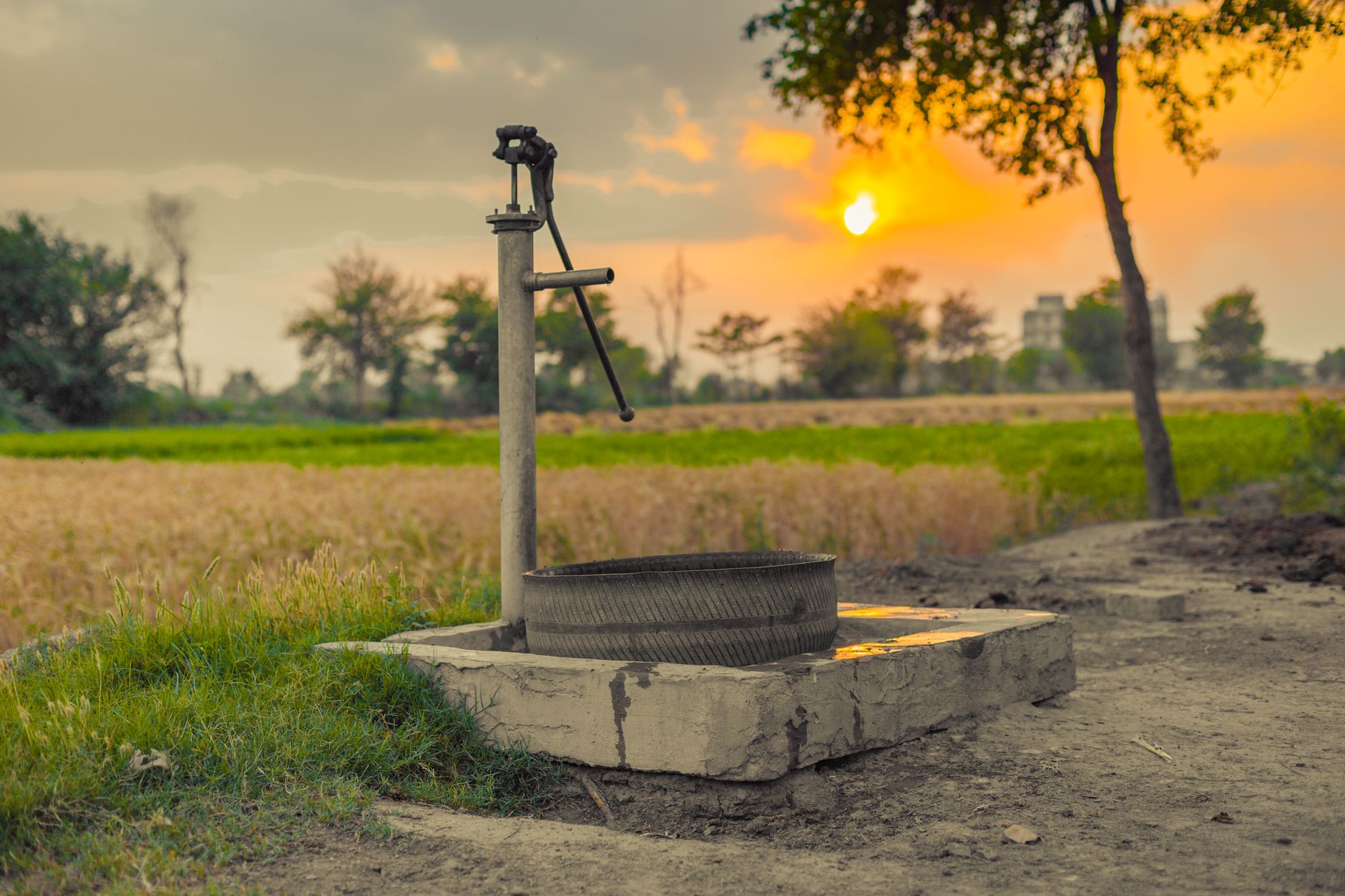
The gallons a household needs, the containers that keep them clean, and the ways to make doubtful water safe to drink.
Solar, batteries, generators and fuel, sized for what a household actually has to run.
Growing, raising and putting up your own food, from the first garden bed to the root cellar.