Homestead skills
Growing, raising and putting up your own food, from the first garden bed to the root cellar.
What this section covers
A pantry runs down. A garden, a laying flock and the skill to put up a harvest keep refilling it. This section is for households that want to produce some of their own food, whether that is four raised beds behind a suburban house or a few acres with goats.
We start with what pays back fastest in calories and effort: potatoes, dry beans, squash and the other storage crops that carry a family through winter, and the open-pollinated varieties whose seed you can save and plant again. Laying hens come next, because a small flock turns kitchen scraps into protein every day with little equipment.
Preserving is where homestead skills meet the pantry. Pressure canning low-acid food like beans, meat and most vegetables has to follow tested times, and the National Center for Home Food Preservation publishes them. Water-bath canning, dehydrating, fermenting, curing and smoking each have their own rules, and we say plainly which shortcuts are dangerous.
The root cellar, the springhouse and the cold room belong here too: storing a harvest without power, the way most American farms did before rural electrification. Each guide says what it takes in money, space and hours a week, so you can decide what fits your place and your back.
Common questions
What should I grow first for food security?
Do I need a pressure canner?
How many chickens does a family need?
The other pillars
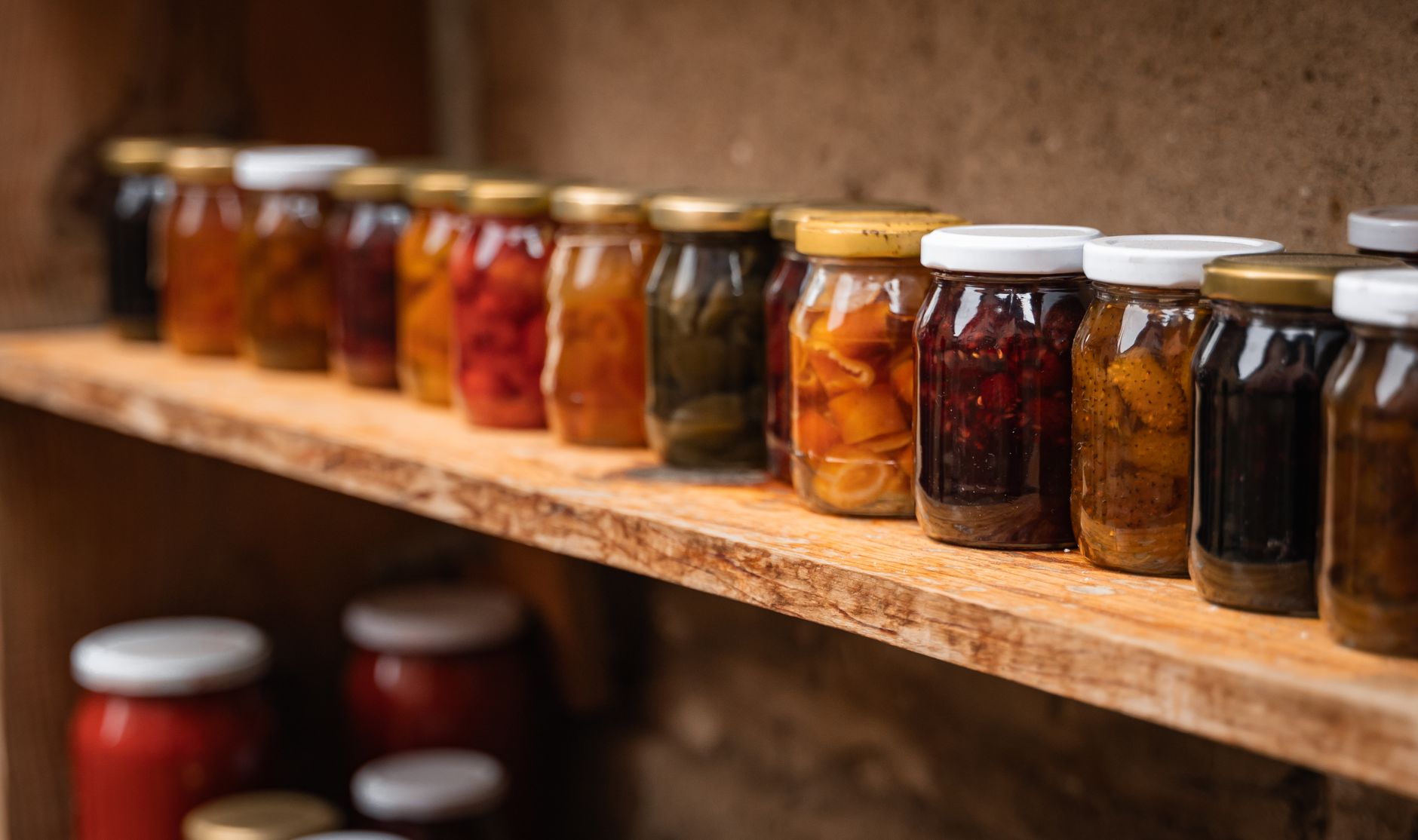
Food storage
How to pack, store and rotate food so a household can eat for months without a grocery run.
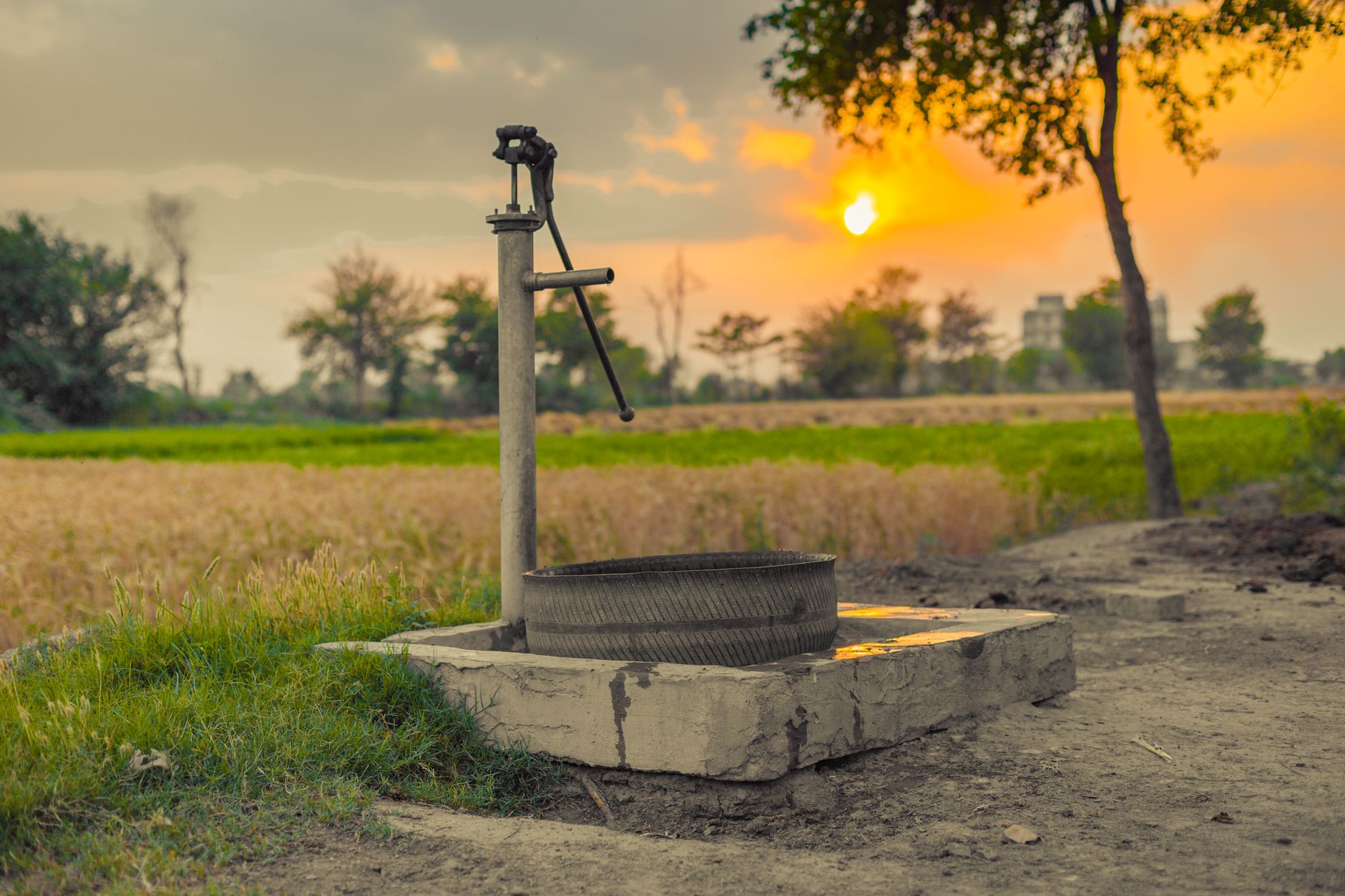
Water
The gallons a household needs, the containers that keep them clean, and the ways to make doubtful water safe to drink.

Off-grid power
Solar, batteries, generators and fuel, sized for what a household actually has to run.
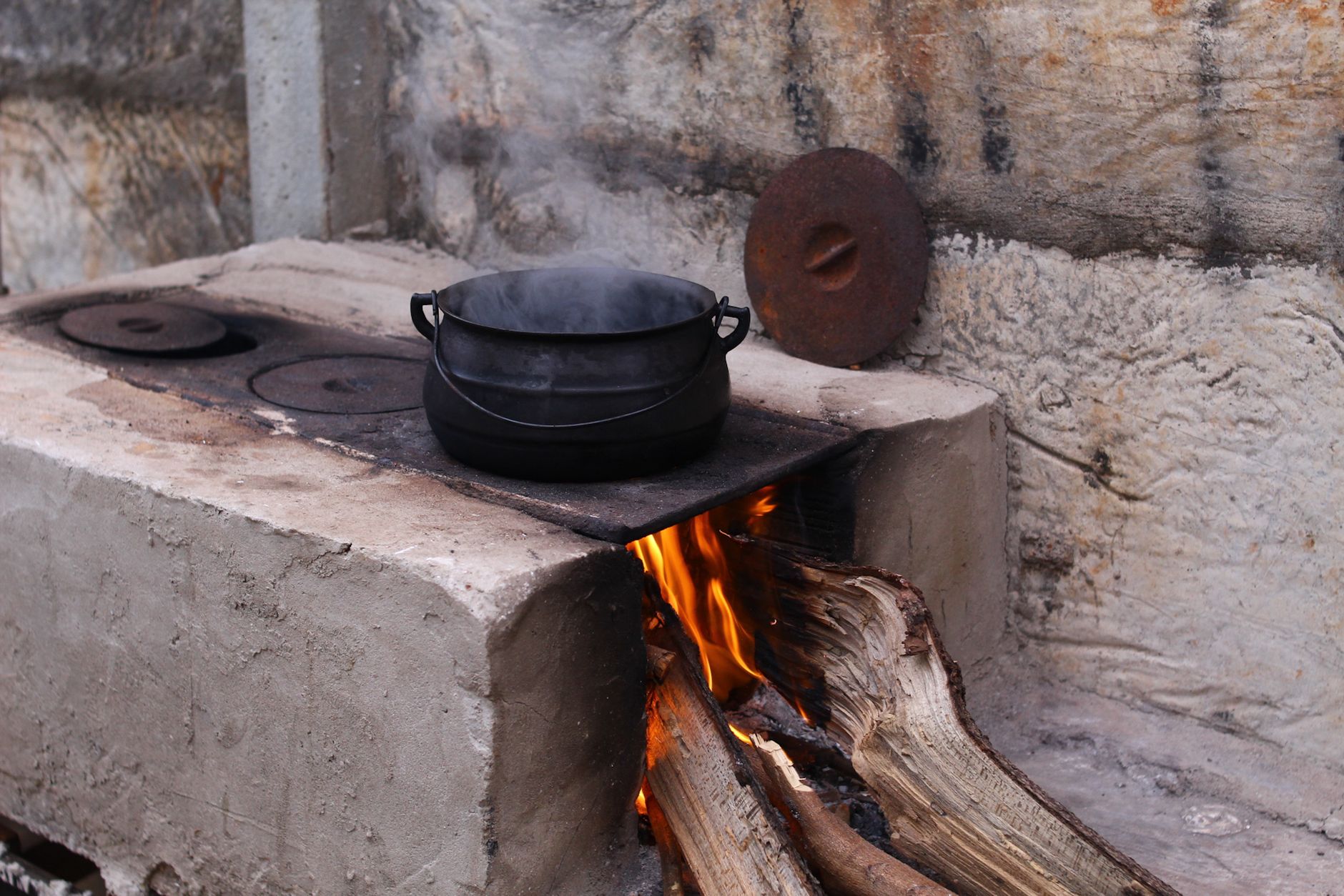
Old ways
The household know-how our grandparents used daily, written down before it is lost.