Kerosene and Oil Lamps: Safe Lighting When the Power Is Out
How to burn a kerosene or oil lamp indoors in an outage: the right fuel, fresh air, clearance, refilling cold, and when a flashlight is the safer light.
Solar, batteries, generators and fuel, sized for what a household actually has to run.
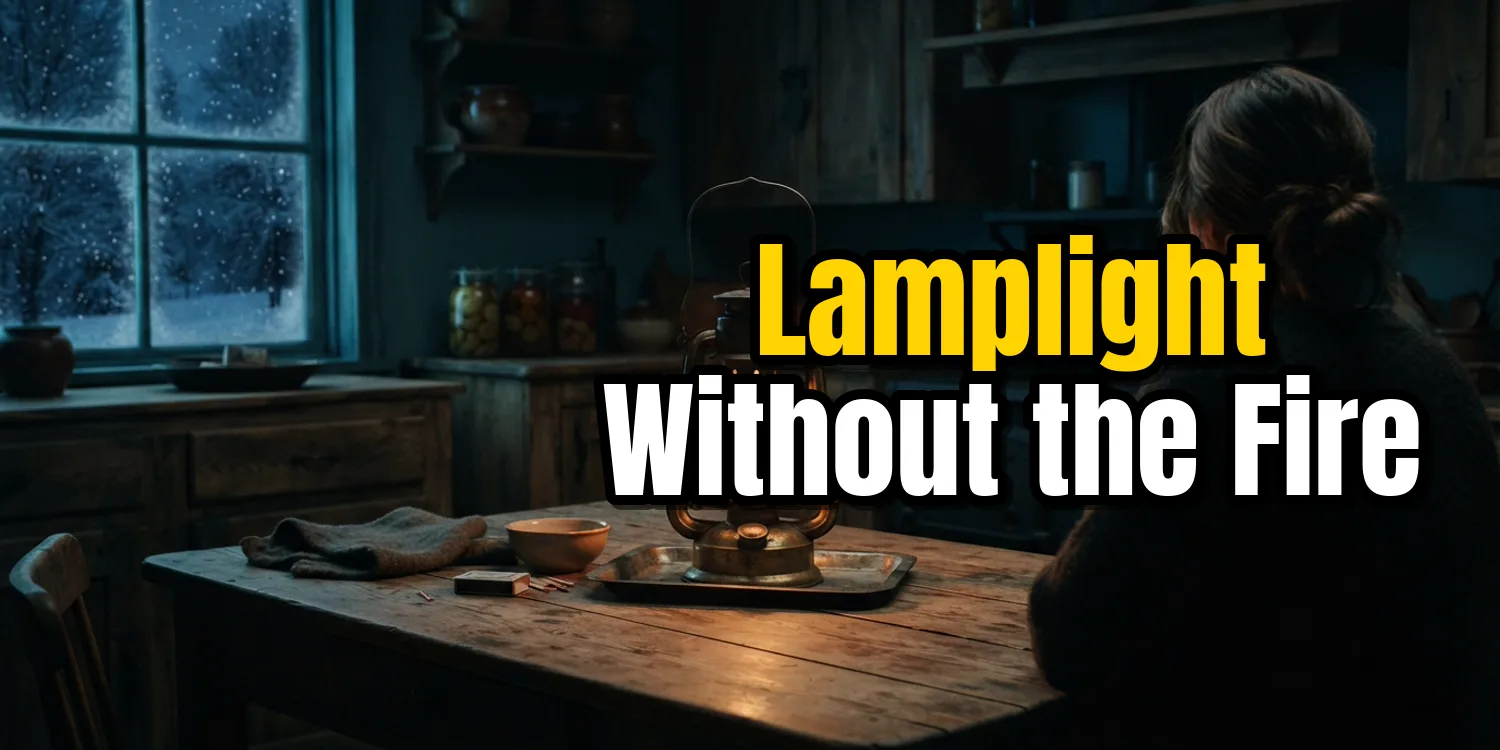
How to burn a kerosene or oil lamp indoors in an outage: the right fuel, fresh air, clearance, refilling cold, and when a flashlight is the safer light.
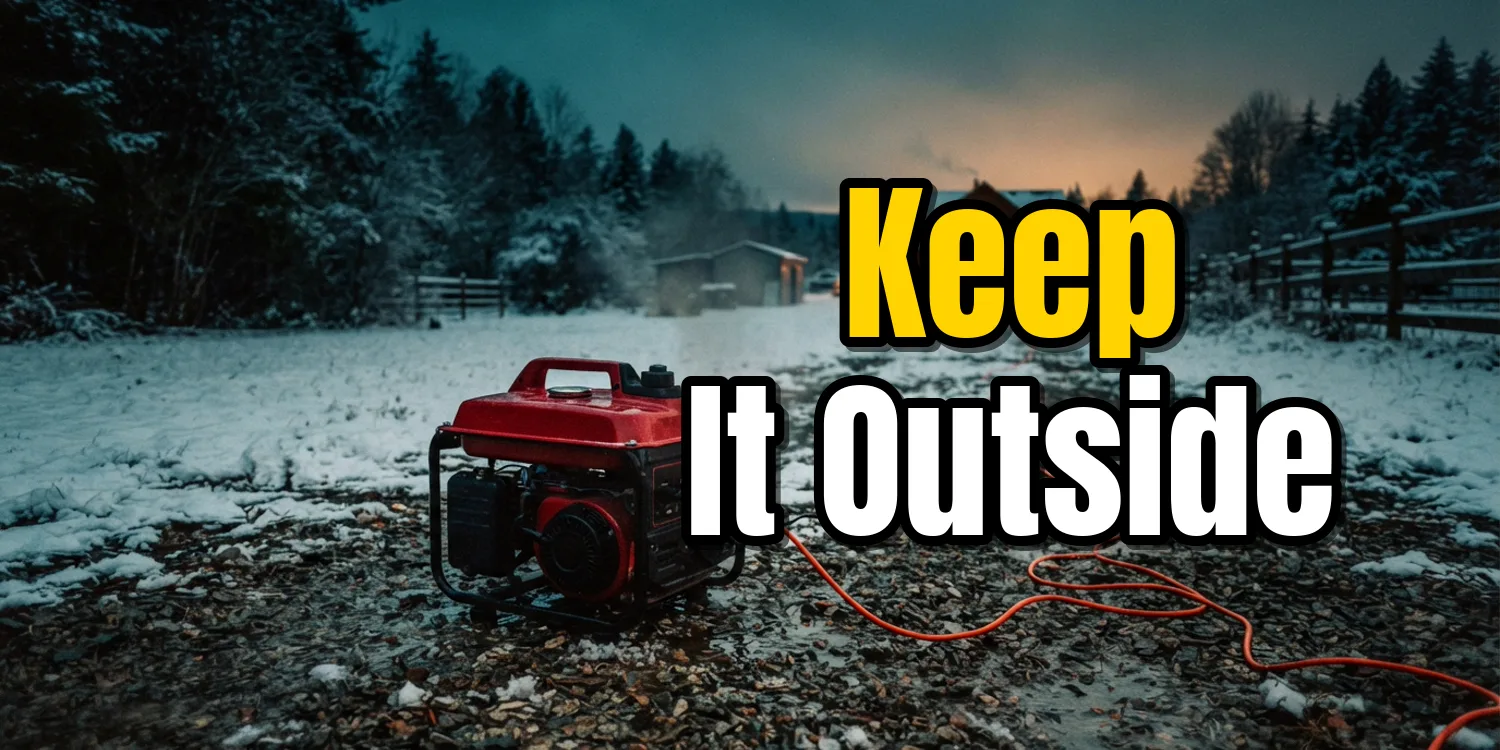
Run a generator outdoors, at least 20 feet from windows, doors and an attached garage, keep CO alarms inside, and never plug it into a wall outlet.
Most homes do not need to run everything when the grid is down. They need a short list to keep going: a freezer or refrigerator, a well pump if they have one, a few lights, a radio, phones, and in winter the blower on a furnace or a pellet stove. Sizing a backup system starts with that list, never with a panel or a generator on sale.
This section works through the choices in the order a household meets them. First the load: what each appliance draws, which ones surge when they start, and how many hours a day each one really needs. Then the source: a fuel generator, portable power stations, rooftop or ground-mount solar with a battery bank, and the small systems that keep phones and a weather receiver charged for weeks.
Fuel is its own subject. Gasoline goes stale, propane keeps, diesel needs care, and every one of them has storage rules your fire marshal and insurer care about. Generators also kill people every year through carbon monoxide when they run in garages or near windows, and the safe distances belong in any plan.
We also cover the low-tech side that keeps a house livable on no power at all: kerosene and oil lamps burned safely indoors, cooking without electricity, keeping food cold with ice and an unopened freezer, and staying warm in one room. A good plan layers them, so a failed inverter is an inconvenience instead of an emergency.
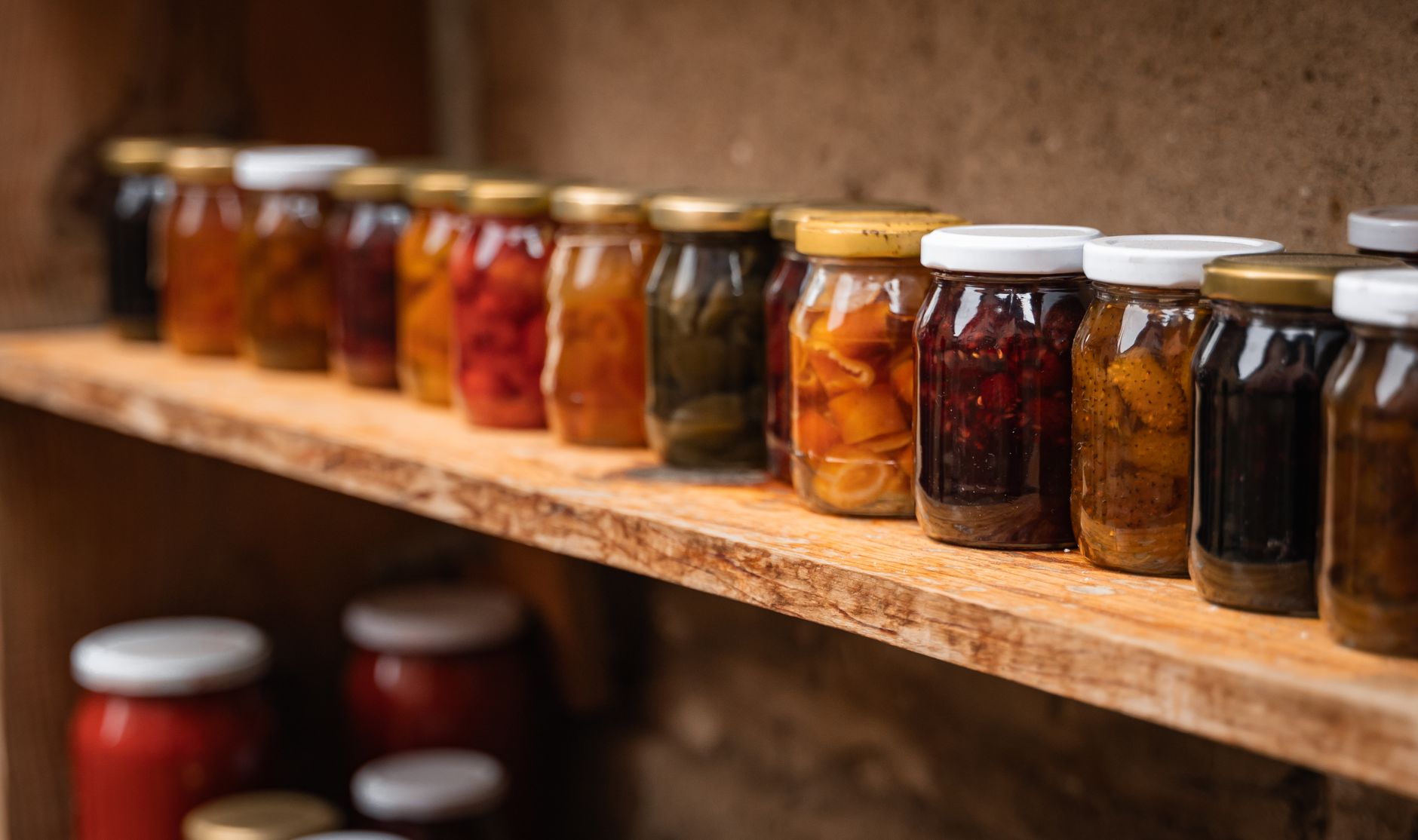
How to pack, store and rotate food so a household can eat for months without a grocery run.
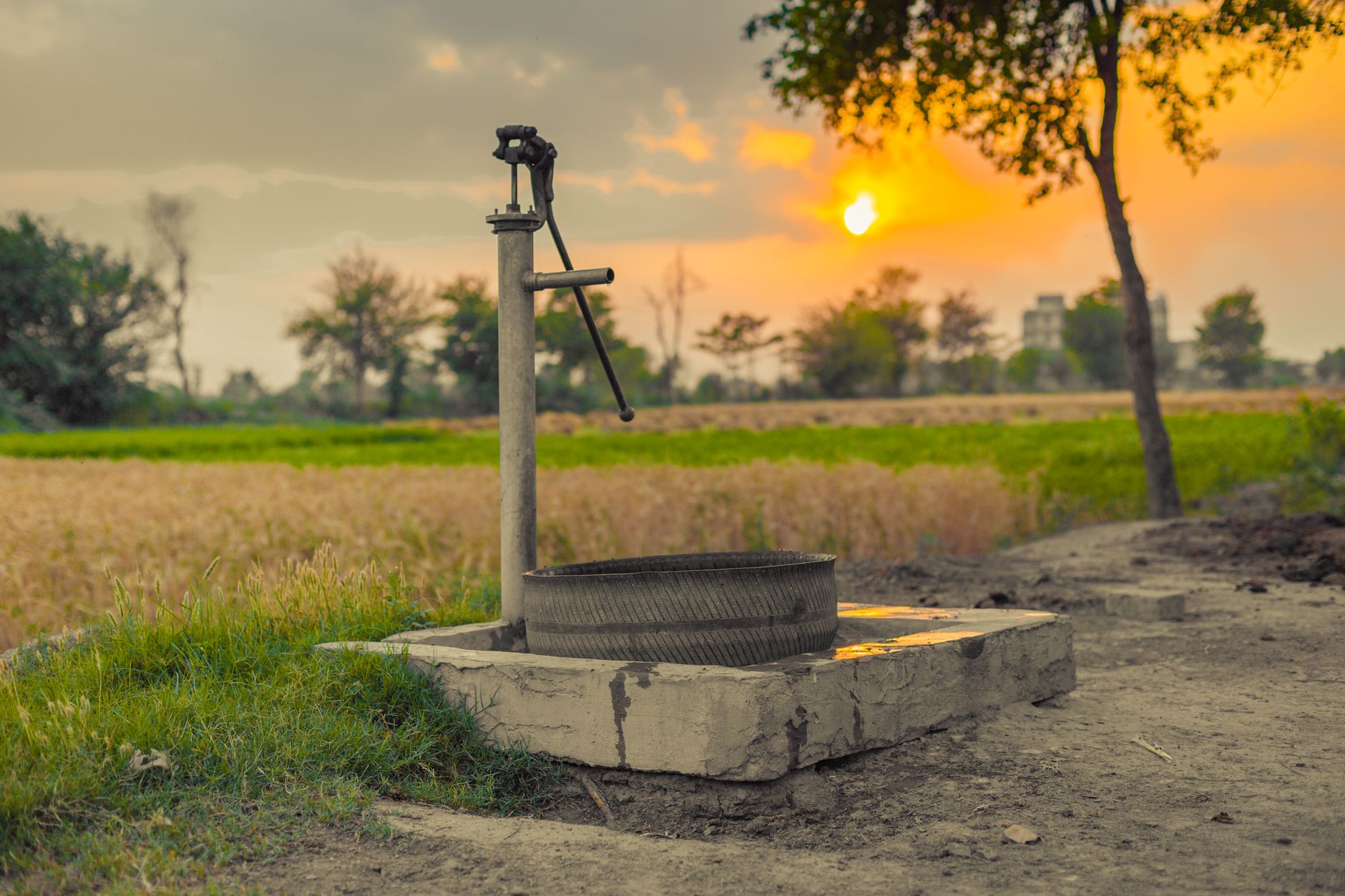
The gallons a household needs, the containers that keep them clean, and the ways to make doubtful water safe to drink.
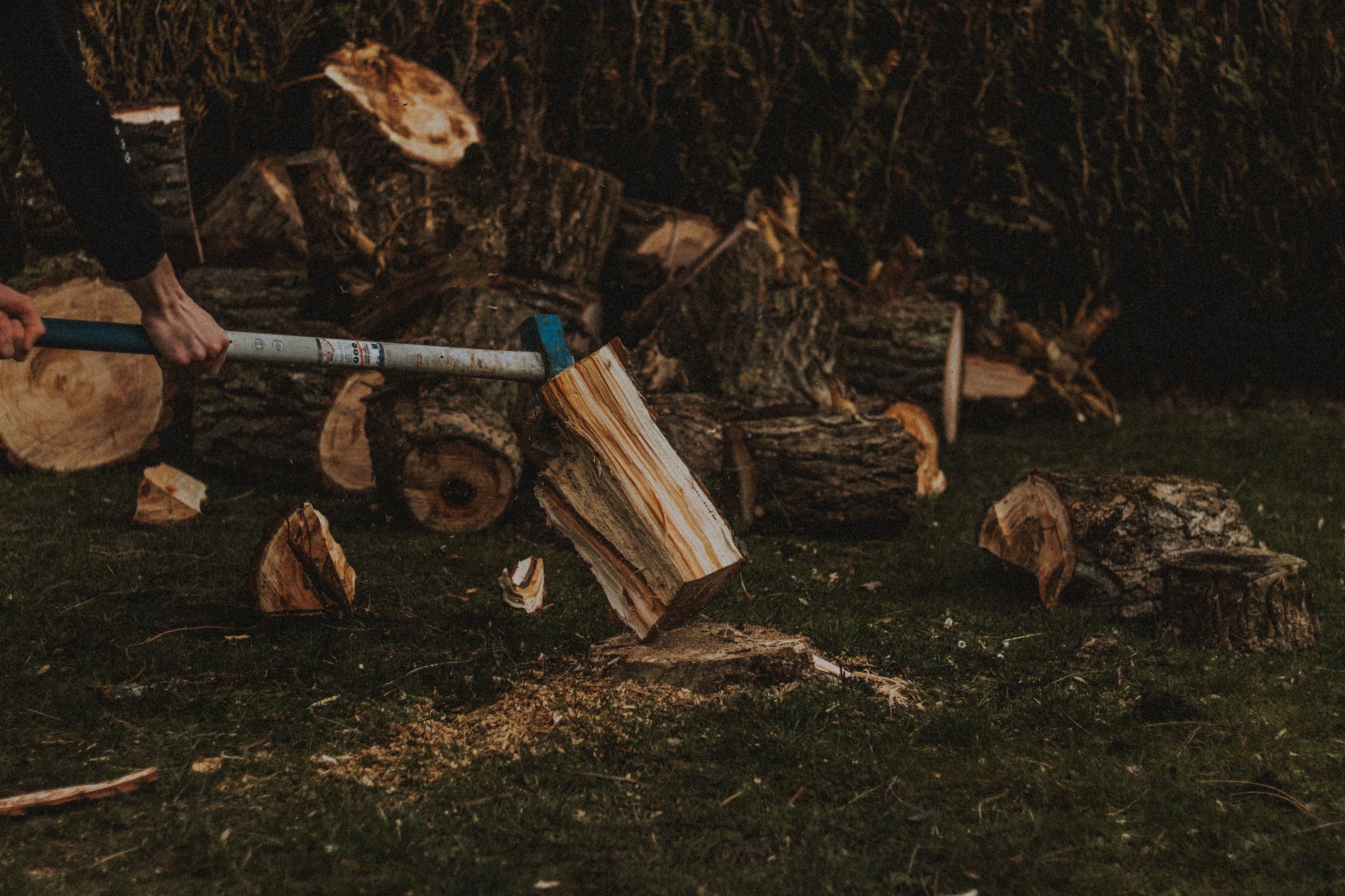
Growing, raising and putting up your own food, from the first garden bed to the root cellar.
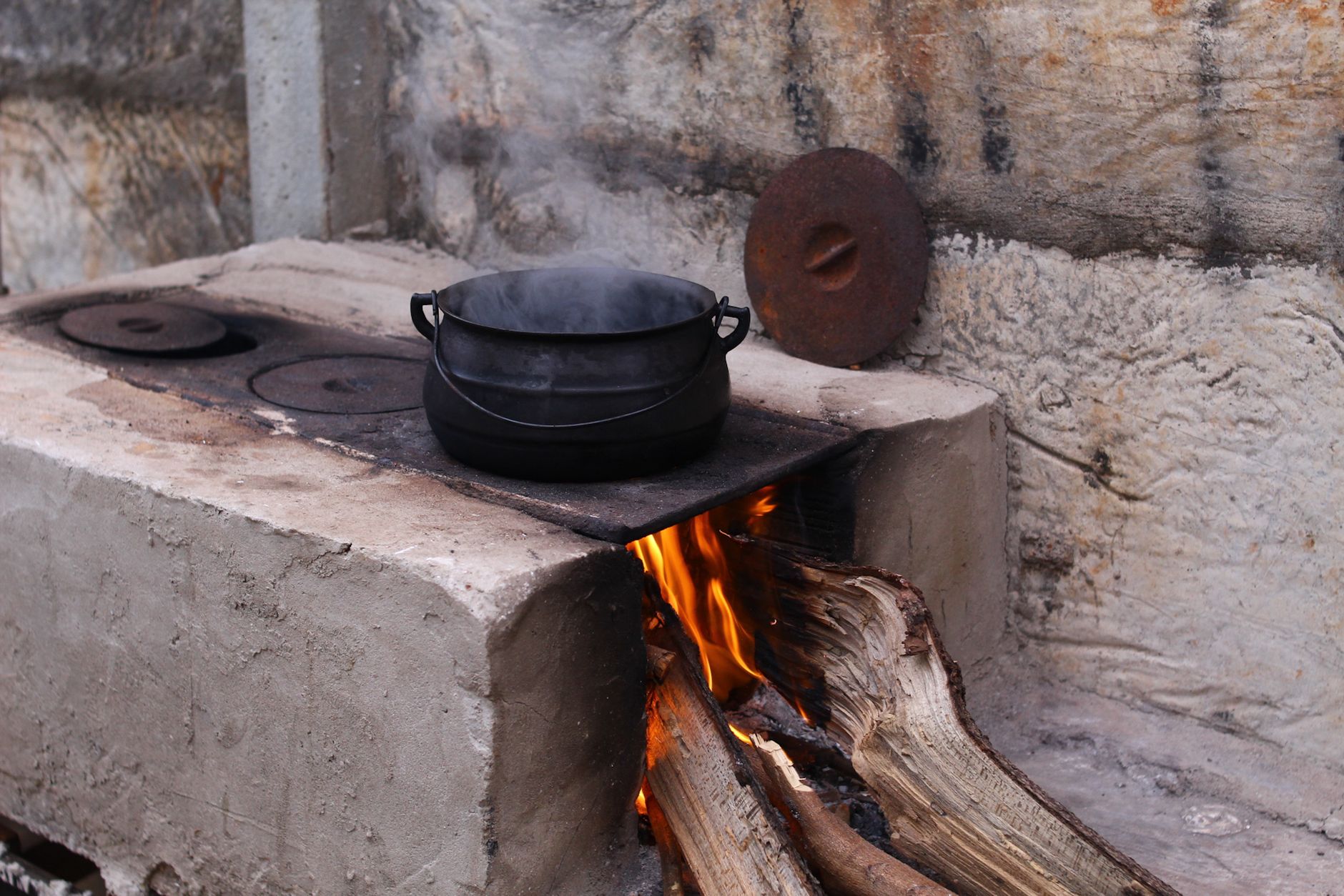
The household know-how our grandparents used daily, written down before it is lost.